Most problems in property are not caused by the market but by weak contracts and not knowing the law. This overview is a starting point before you consult a professional.
1. Property leases
- Under the Thai Civil and Commercial Code, a lease of immovable property must be evidenced in writing and signed by the liable party to be enforceable in court.
- A lease longer than three years, or for the life of the lessor or lessee, must be in writing and registered with the competent official; otherwise it is enforceable for three years only.
- The maximum lease term for immovable property under the Code is 30 years.
Your lease should state: rent and due date, deposit and refund terms, repair responsibilities, subletting, renewal and termination.
2. Land and building tax
The Land and Building Tax Act B.E. 2562 (2019) groups property into agricultural, residential, other (such as commercial) and vacant land, each with different rates. Tax is based on the appraised value and paid annually to the local authority.
Leaving land unused may place it in the vacant category with higher rates, so plan its use and check the current rates and deadlines with your local authority every year.
3. Lease-related taxes and duties
- Stamp duty on leases: THB 1 for every THB 1,000 (or part) of the total rent over the lease term
- Withholding tax: generally, a corporate tenant withholds tax from rent and issues a certificate to the landlord
- Income tax: rental income must be declared in your annual return
4. Risk management
- Check title, servitudes, mortgages and zoning before buying
- Insure against fire and third-party liability
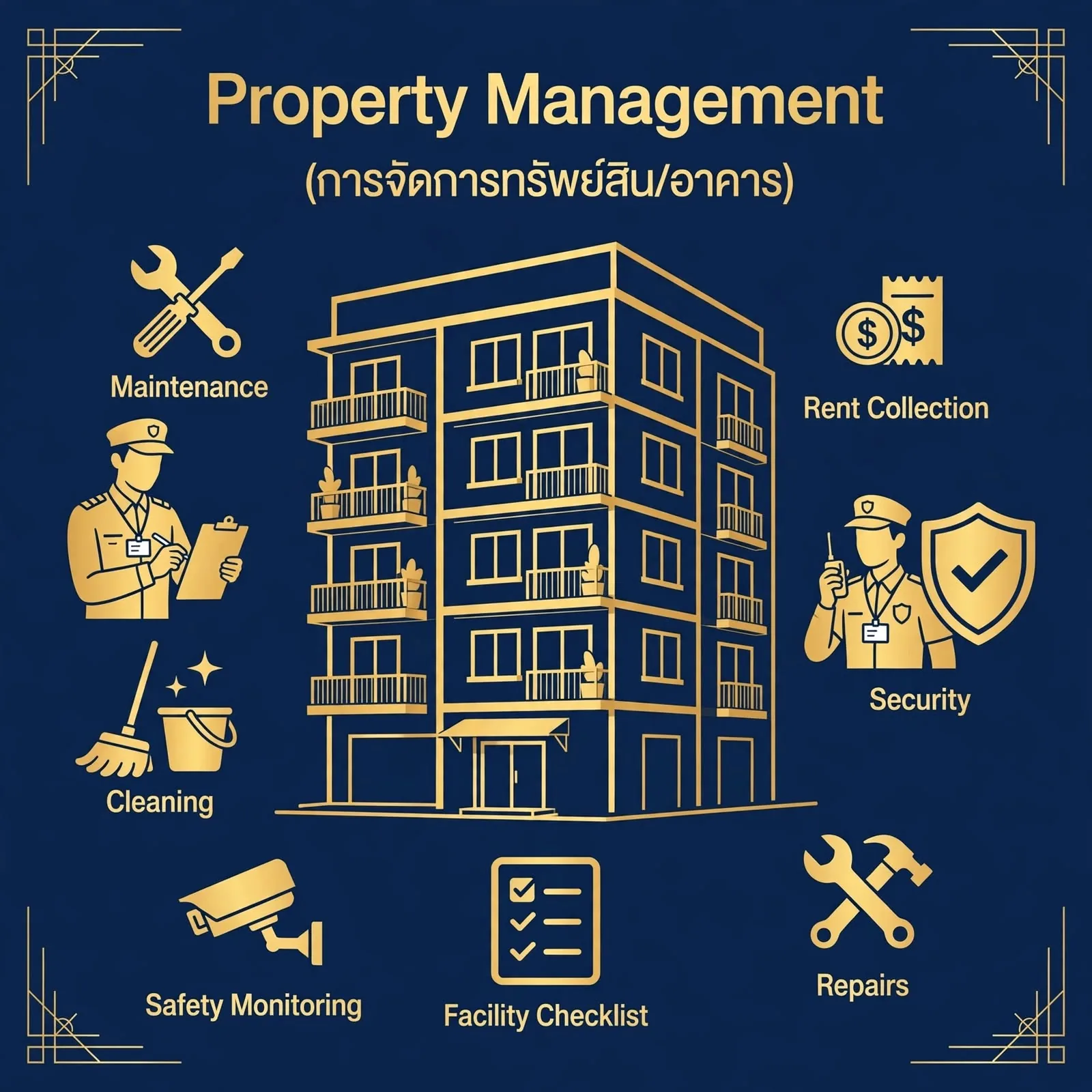
- Record handover with photos and checklists at move-in and move-out
- Have a written process for late payment
Note: this is general information. Laws and rates change; check with the authorities or a professional before acting.
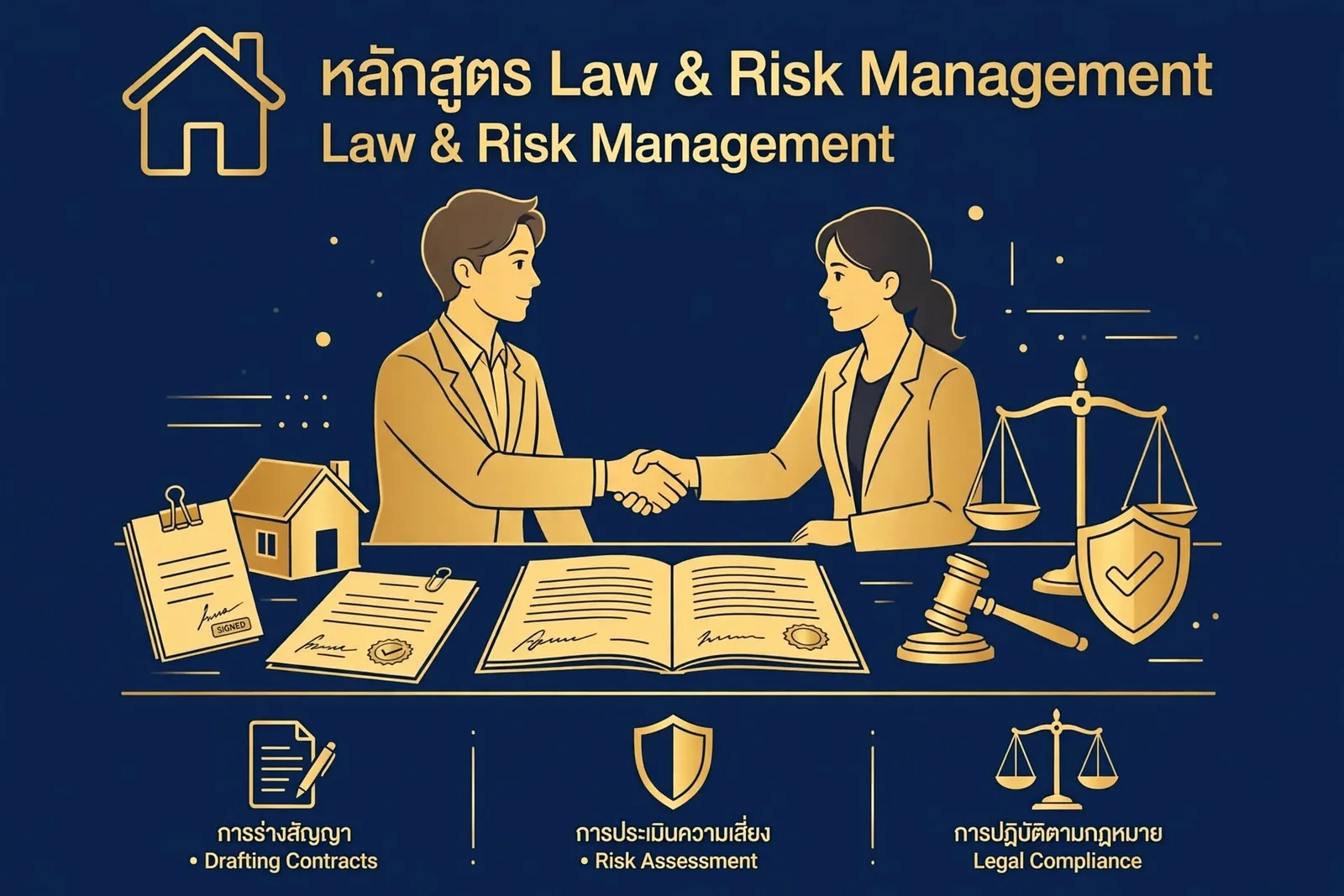
The Law & Risk Management module covers contract drafting, risk assessment and compliance in depth, drawing on Ajarn Non’s legal background.